Why December Feels So Overwhelming (And What Winter Teaches Us)
Almost three weeks into December, we are now firmly into what I refer to as the "season of frenzy."
This unofficial season – spanning the 33 days between Thanksgiving and New Year's Day here in the United States – is packed with noise and activity: Black Friday, holiday events, visits to stores blasting Mariah Carey, the Christmas holiday itself (often filled with people and yearly rituals), and then capped with raucous New Year celebrations.
This season is a lot.
Teachers are surviving, just trying to make it through the three-week liminal space when nobody – including teachers – actually wants to be in school. Therapists are in high-demand as people navigate family dynamics across two holidays, along with the impacts of darker and shorter days. Activists and politicos are measuring the fallout of recent elections and beginning to organize for the next ones – all while continuing to doorknock and host rallies in the falling rain and snow.
And all of this with the steady drumbeat of “buy-buy-buy” texturing the energetic soundtrack of the season.
But if we pause, we might notice something else happening:
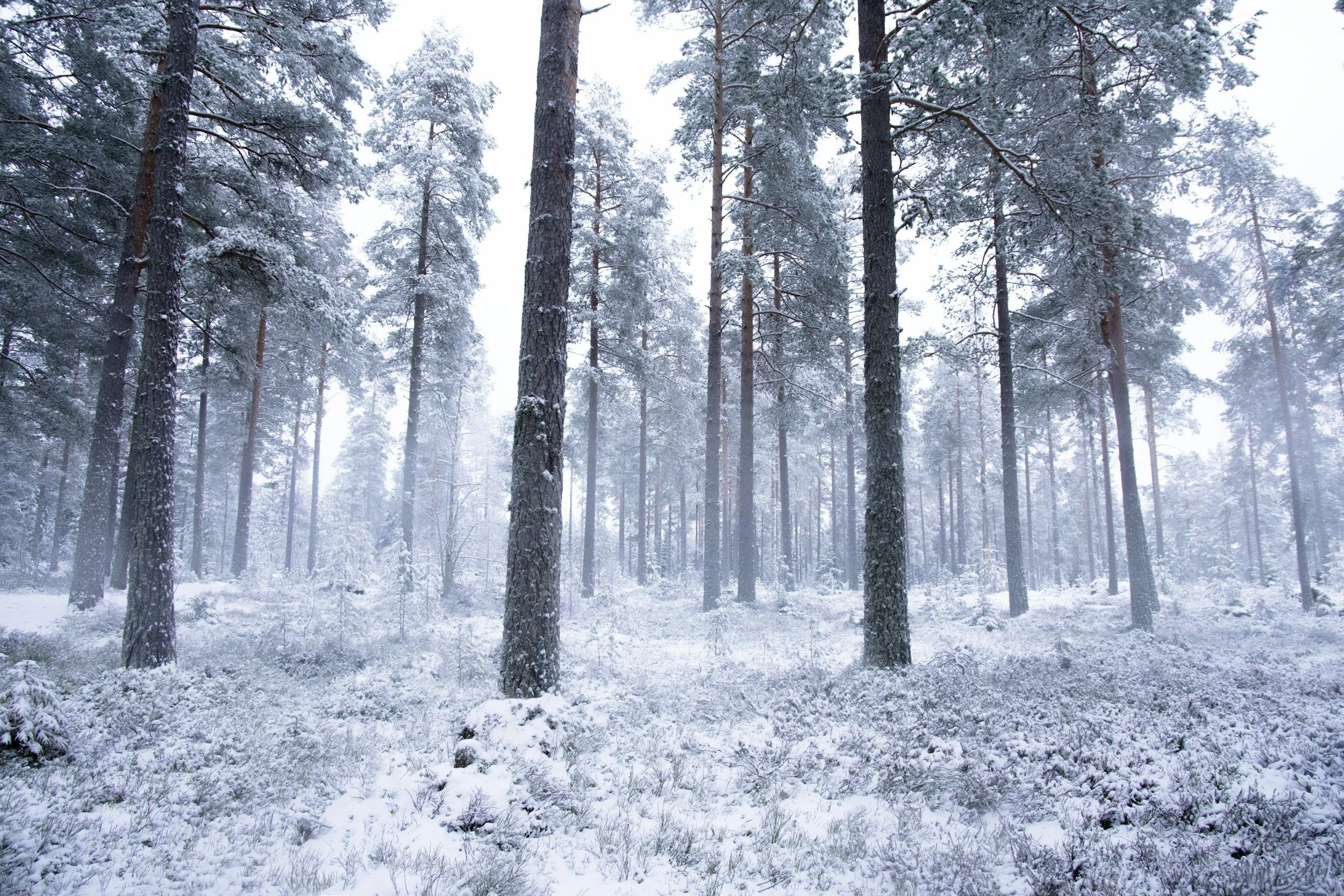
All around us, nature is constricting and pulling in, protecting and quieting down.
In her book Wintering, Katherine May writes,
Plants and animals don’t fight the winter; they don’t pretend it’s not happening and attempt to carry on living the same lives that they lived in the summer. They prepare. They adapt. They perform extraordinary acts of metamorphosis to get them through.
Winter is a time of withdrawing from the world, maximizing scant resources, carrying out acts of brutal efficiency and vanishing from sight...
In this context, it makes sense so many of us feel frazzled and anxious and frenzied.
Because we, too, are a part of nature, made cold by the wind and in need of withdrawing and holding ourselves close.
And yet, we've designed a season out-of-step with the natural world, one that pulls us out of ourselves and into a state of constant busyness, social obligations, and energetic outflow. Combined with the continuing pressure to do more in the face of our particular set of intersecting crises, all of this disconnects us from the softness of our animal bodies.
We've created a season of sprinting, despite our body's loving desire to cuddle up, take long deep breaths, and prepare for the change of Spring. Katherine May reminds us, winter is not the act of everything dying, but instead the "crucible" for transformation.
In so many ways, honoring the truth of winter is at the heart of gentle change – to be fierce in our commitment to change, while being gentle with ourselves, our bodies' needs, and the posture we open up with in the world.
So over the next few weeks, I invite you to engage with me in this countercultural practice:
Notice when you're feeling frenzied. Notice when you're forcing producer energy through your wintering body. Notice when you're pushing through instead of pulling in.
And when you do, try to soften your posture – whatever that looks like for you. Not because it will necessarily change the world right away, but because it will certainly help to change you.
