Make Care Visible
Update: This campaign is over – for now! Together in May 2026, we spread messages of care in 65 neighborhoods, including in Canada, the U.K., Australia, and Norway! You can still sign up below and I will let you know the next time we do this together.
In a moment when so much of our society feels organized around otherizing, fear, and fragmentation, acts of care are – as the poet David Gate calls them – acts of rebellion.
They are radical – each a claim that an alternative future is possible.
And when we make our care public – even in the smallest of ways – we contribute to building a culture of creativity, resilience, and solidarity rather than of despair and isolation.
In the words of adrienne maree brown:
“We hold so many worlds inside us. So many futures. It is our radical responsibility to share these worlds, to plant them in the soil of our society as seeds for the type of justice we want and need.”
From May 21-31st, I invite you to join me in a culture-shaping experiment as we make care visible in our neighborhoods:
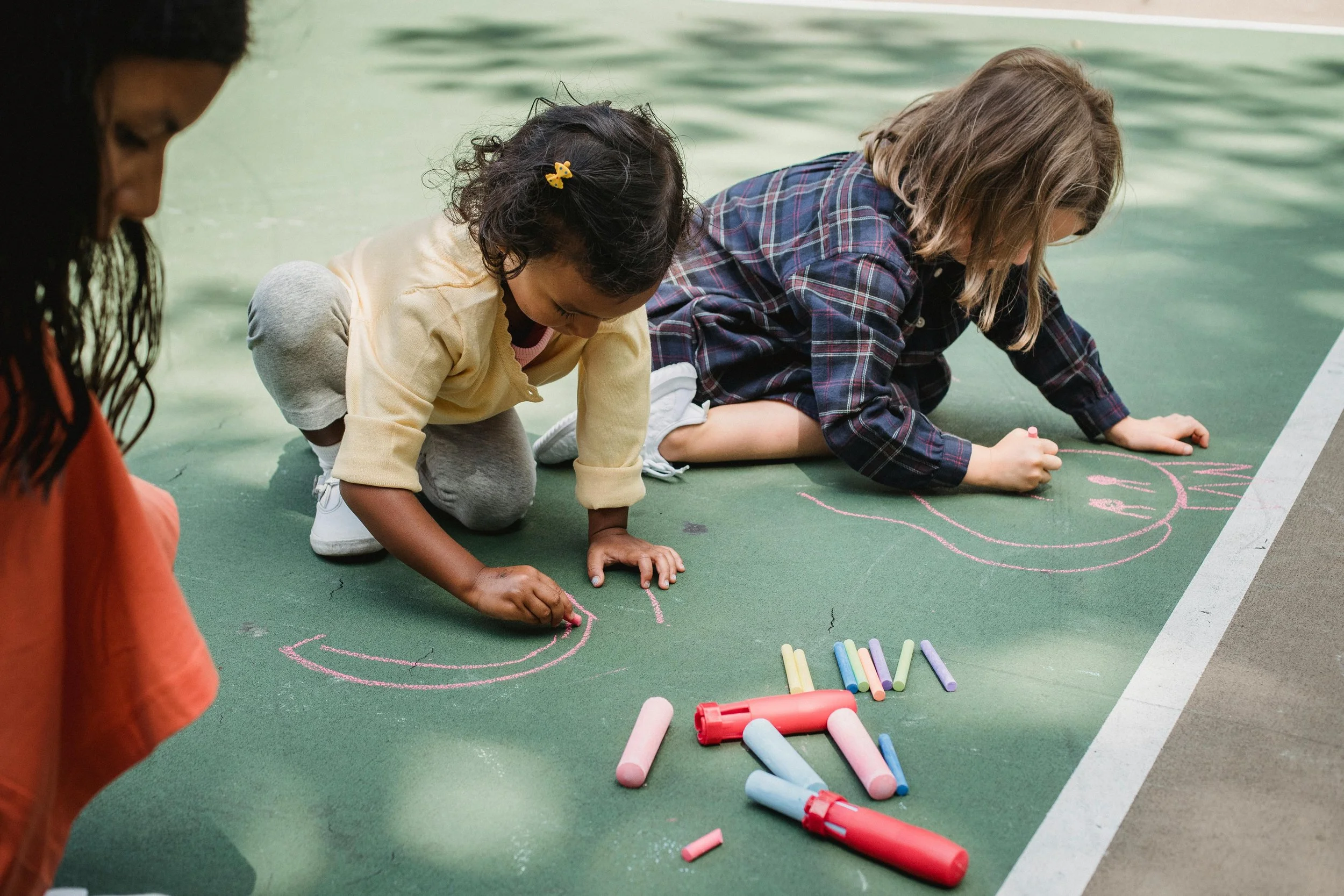
Chalk a sidewalk with symbols of hope.
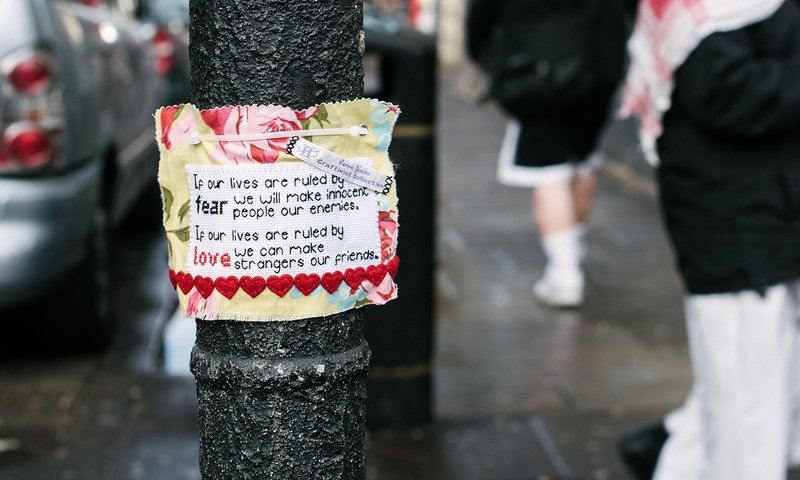
Stitch a mini-banner and hang it near City Hall.
Set up a free water/lemonade stand at your local park.
Tape a poem that makes you feel brave to a few local bus stops.
Write tiny messages of care and drop them in the pockets of unpurchased coats at a local store.
The goal of this campaign isn’t to shame people into changing or to force through big policies with a bit of our chalk or thread.
It is to shape our cultural landscape – to invest our public spaces with reminders of inclusion and belonging. To make care visible in 30 of our neighborhoods across the country.
And that is no small thing.
If you’re interested in joining in this communal effort, check out the “How it Works” steps below and then sign up! I’ll send you an email with more details on getting started!
And if you want inspiration for what this might look like for you, scroll down for examples.
Andrew
Together, we’re making care visible in:
How it Works:
-
Step One: Create
Use the Sign Up link above to sign up and join in this campaign. You’ll be asked for your name, email address, and the neighborhood and city you’re planning to share in.
Before choosing your medium, pause and reflect:
In this moment, what message of care feels needed?
Consider words and images that bring you joy; think about shapes, symbols, and acts of care that invoke the future you want to experience.
Now choose a medium that fits your message:
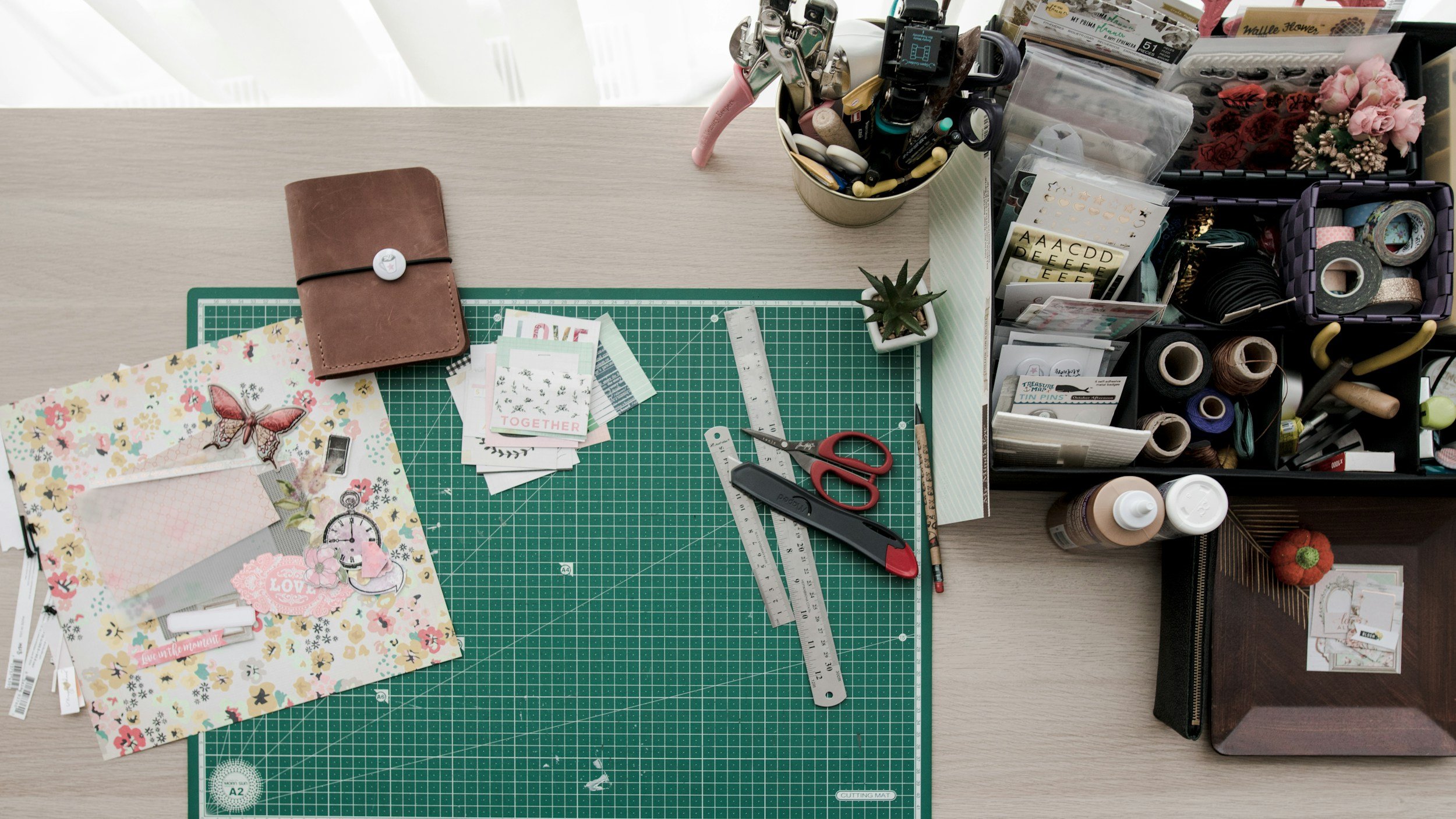
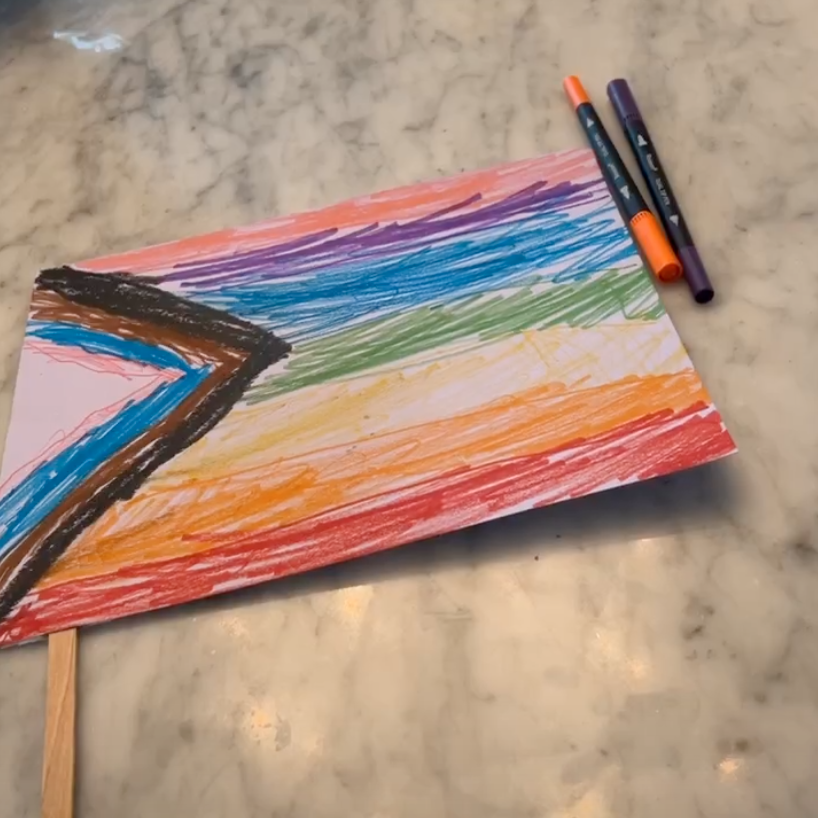
Drawing, painting, weaving, knitting, crocheting all count. Sharing words and quotes count. Chalk counts. Even stick figures count!
Anything that models a culture of care for our neighbors and our world.
And if you have kids or grandkids, this is a wonderful opportunity to invite them to co-create something with you.
(See inspiration at the bottom of this page.)
-
Step Two: Share
During the last two weeks of May, pick a public space and share what you’ve created!
Here are some ideas for locations:
- On your sidewalk or window.
- At your local bus stop
- On community boards
- Outside your local library
- On a fence or railing along a walking path
- In a park or along a school walking route
- In a shared hallway or lobbyAnd make sure to take pictures – that way you can share them into your social networks online! (We’ll have an end-of-campaign virtual party where we’ll share pictures as well!)
Image source: Craftivist Collective
-
Step Three: Invite
Before or after you share what you make, invite one other person (perhaps an artist friend you know?) to make care visible in their neighborhood too.
- Send them a picture.
- Tell them why you participated.
- Share the sign-up link.
- Encourage them to create something that spreads a message of care.Culture shifts when our context shifts – and small, friend-to-friend and coworker-to-coworker invitations help this work travel farther than any one of us could do alone.
Looking for some inspiration?
We can engage in craftivism in all kinds of ways – but if this is your first time, I know it can feel a bit daunting! For some of us, the infinite number of options sparks our creativity; for others, it just brings more overwhelm. (And for those of us who are unpracticed in crafting and visual arts, just the newness of it all can be hard to get past!)
Below are examples and ideas for you to think through as you consider what “making care visible” might look like in your neighborhood.
Check out these examples 👇
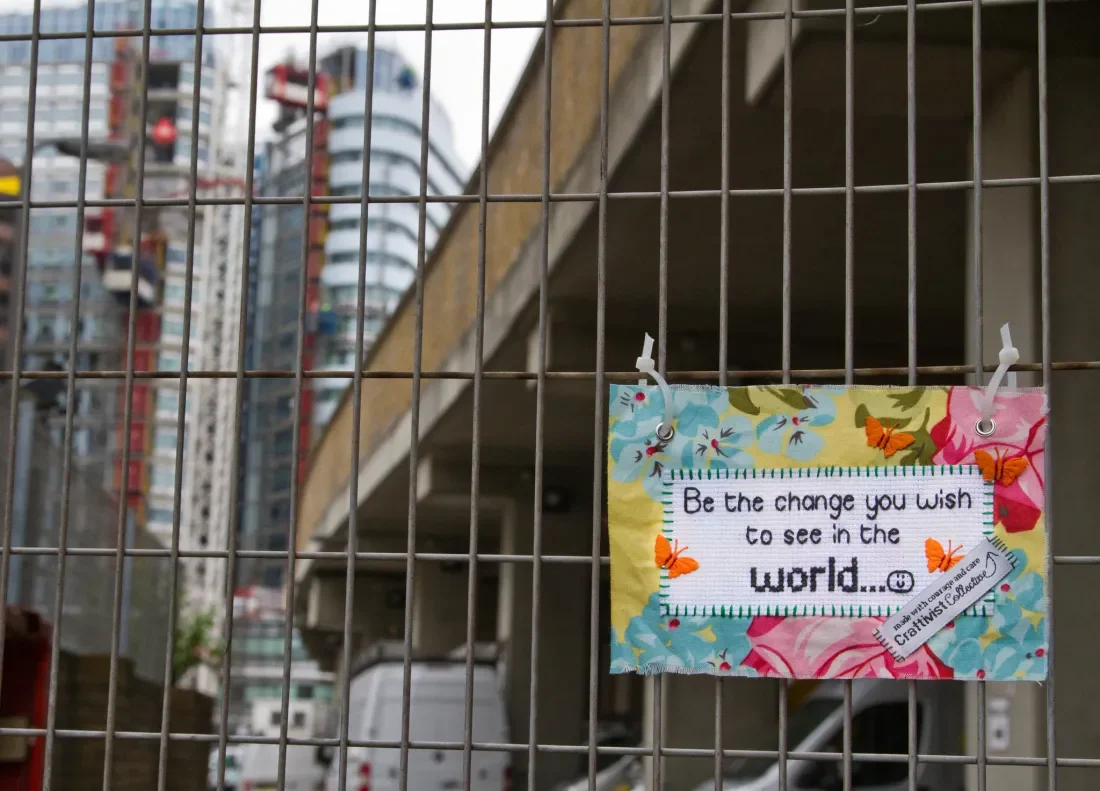
Mini-Banner (Source: Craftivist Collective)
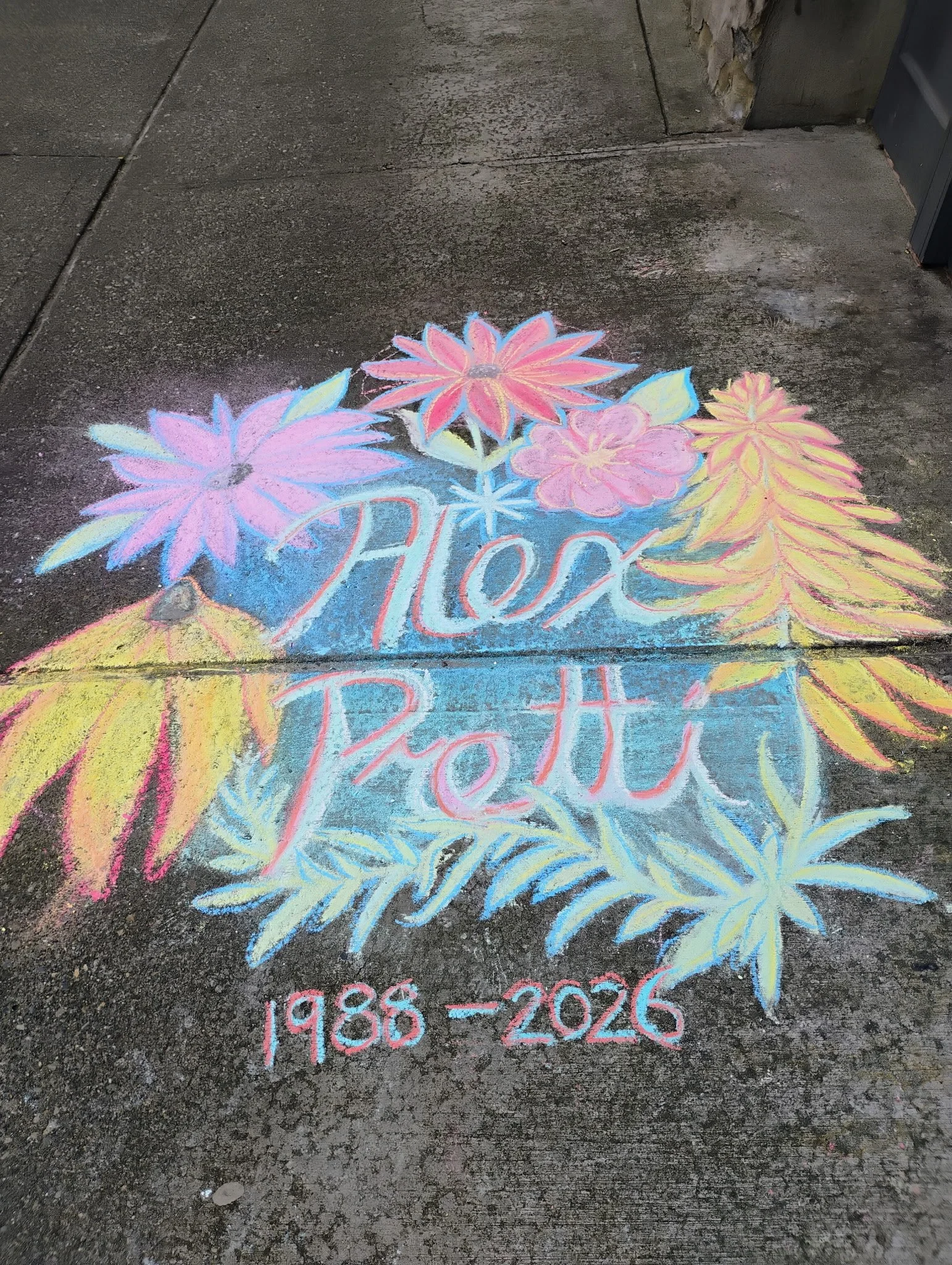
Memorial Chalking (Source: Sam of Tacoma, WA)
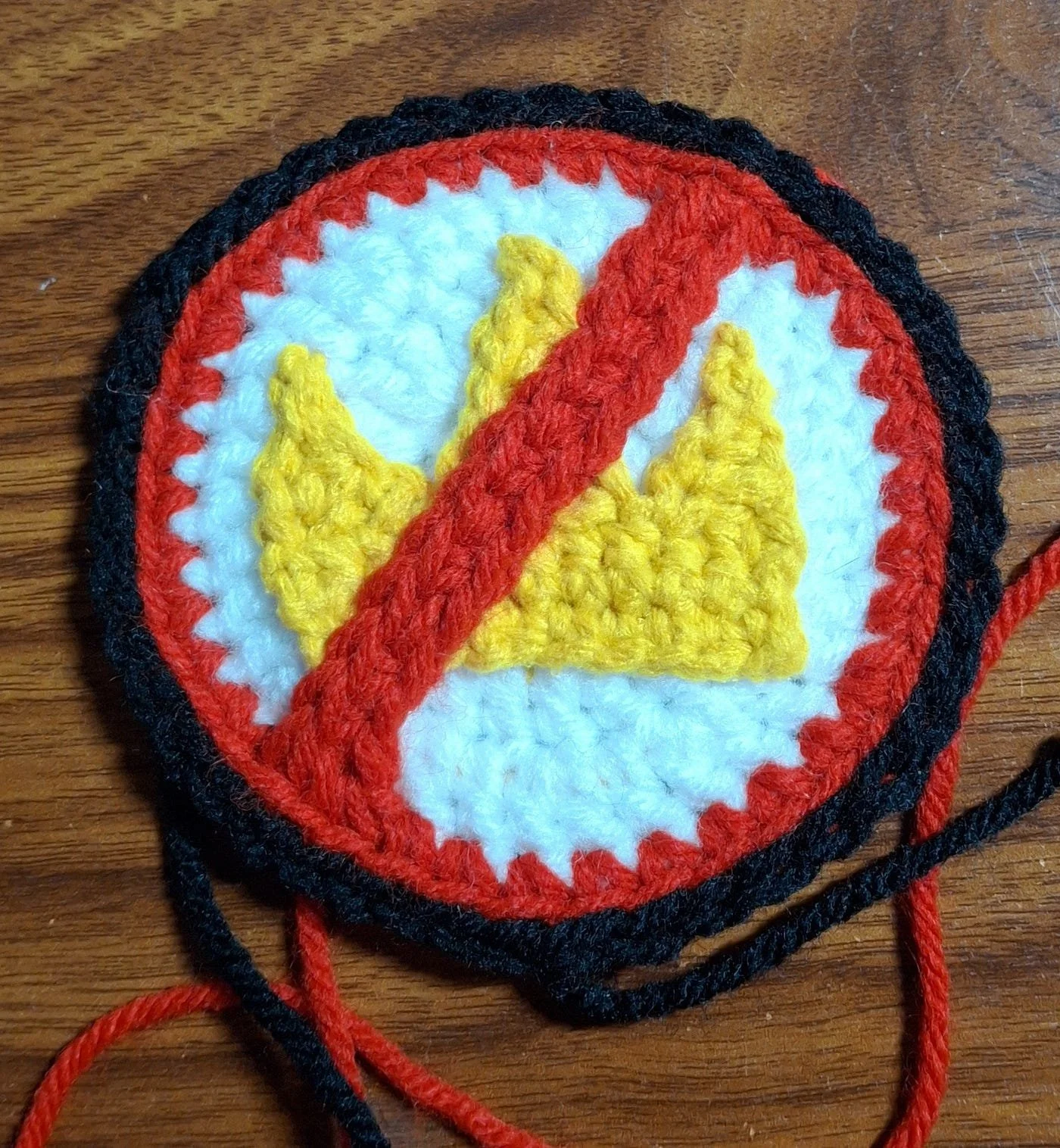
Knitting (Source: Medium)
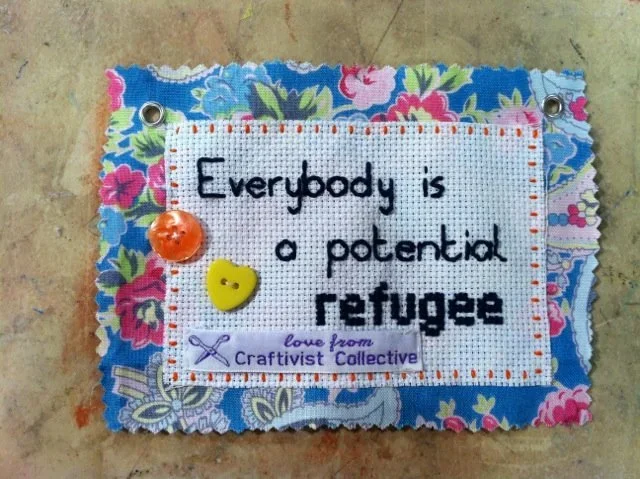
Mini-Banner (Source: Craftivist Collective)

Poetry in Public (Source: FB Group)
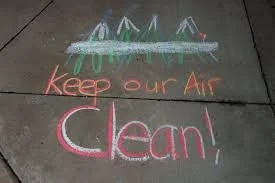
Chalking (Source: Rick Egan)
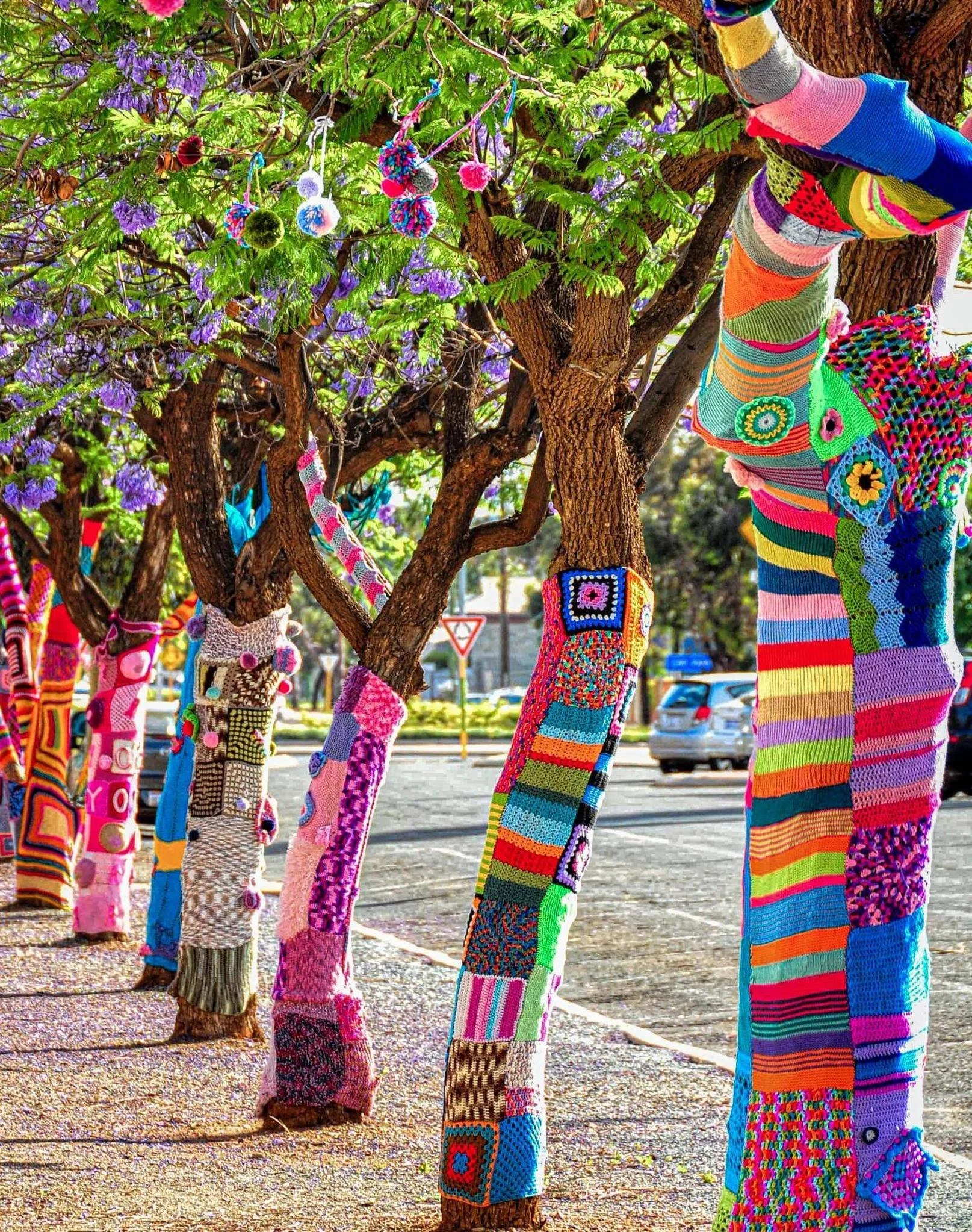
Yarn-Bombing (Source: Picasa)
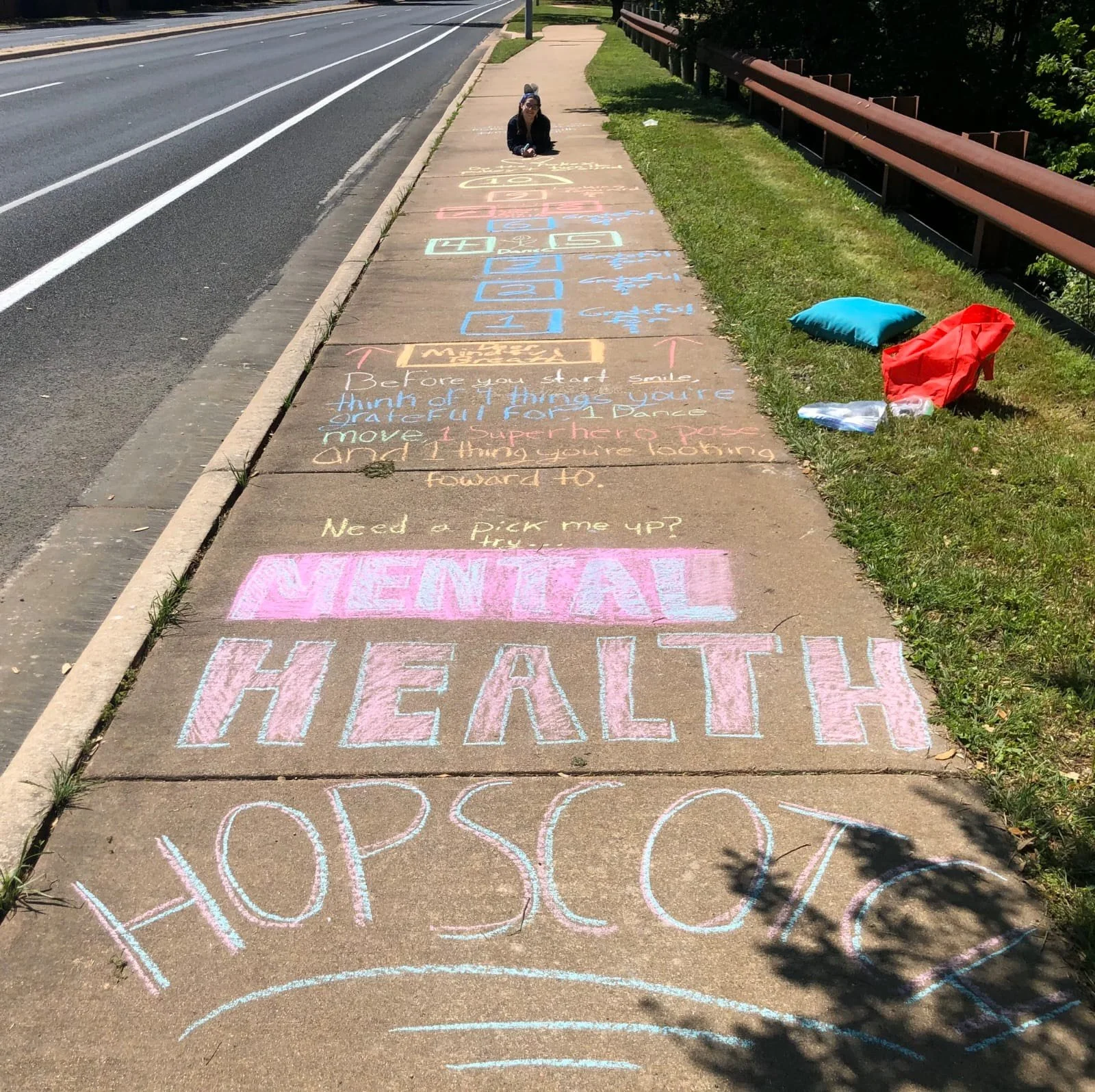
Chalking (Source: URJ Greene Family)
Mini-Banner (Source: Craftivist Collective)
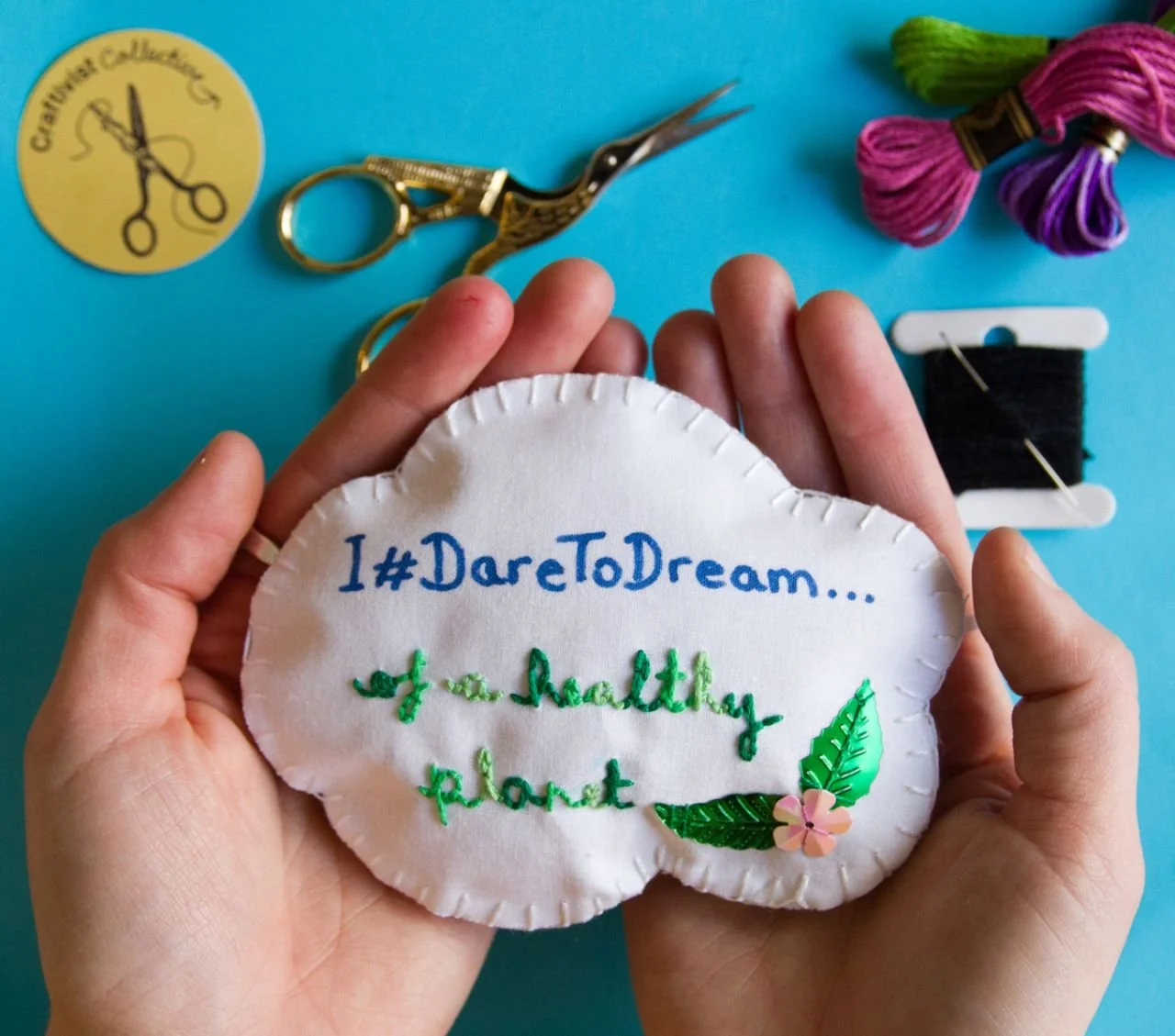
Stitched Dream Clouds (Source: Craftivist Collective)
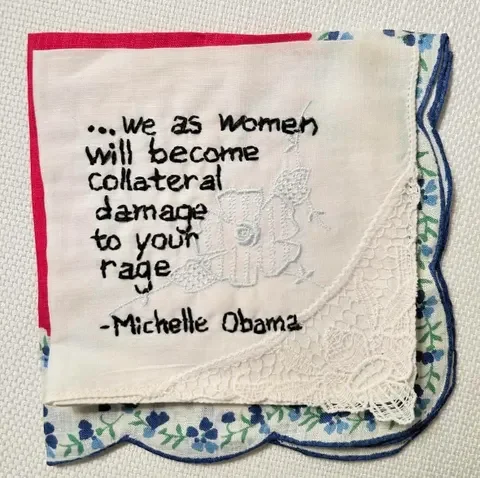
Stitching (Source: Forbes)
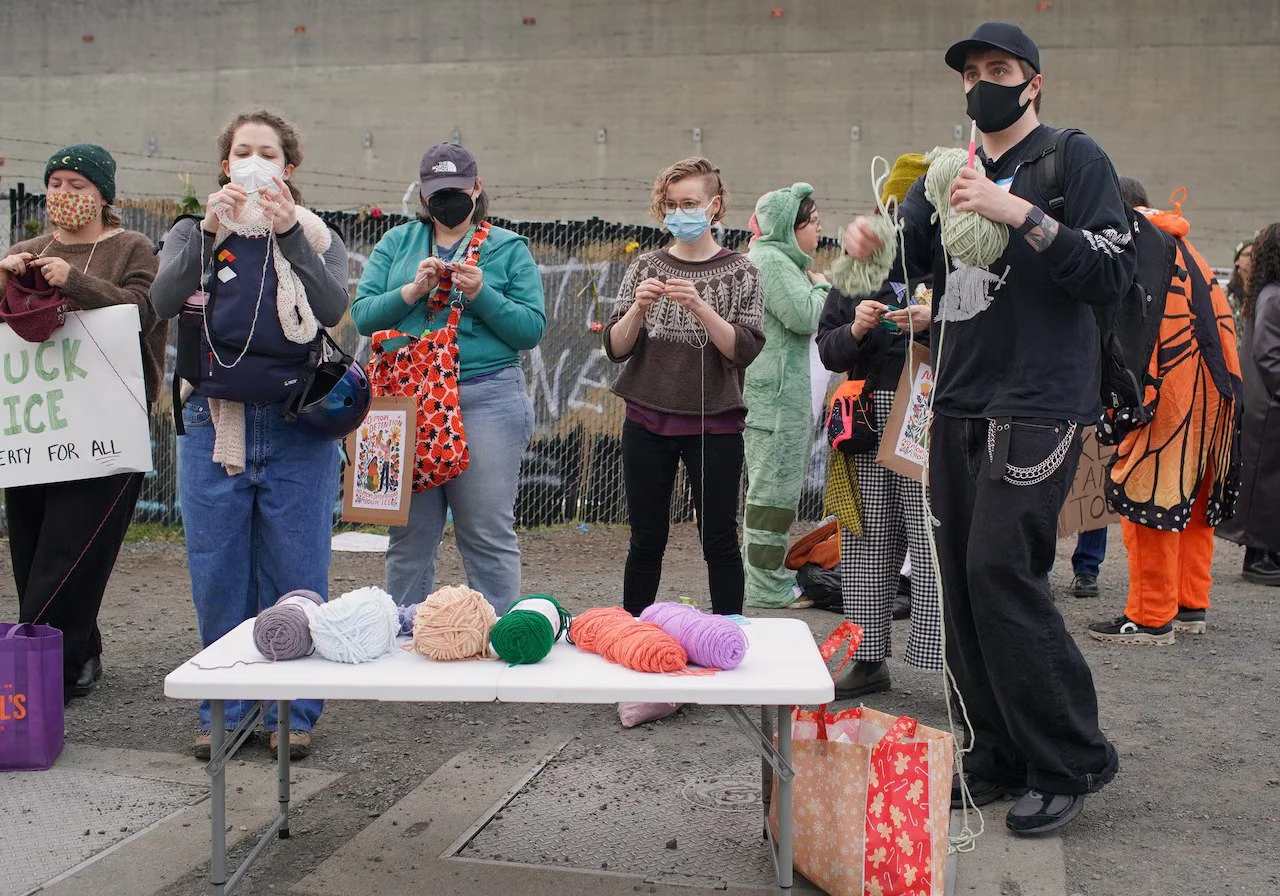
Knit-In (Source: Oregon Live)
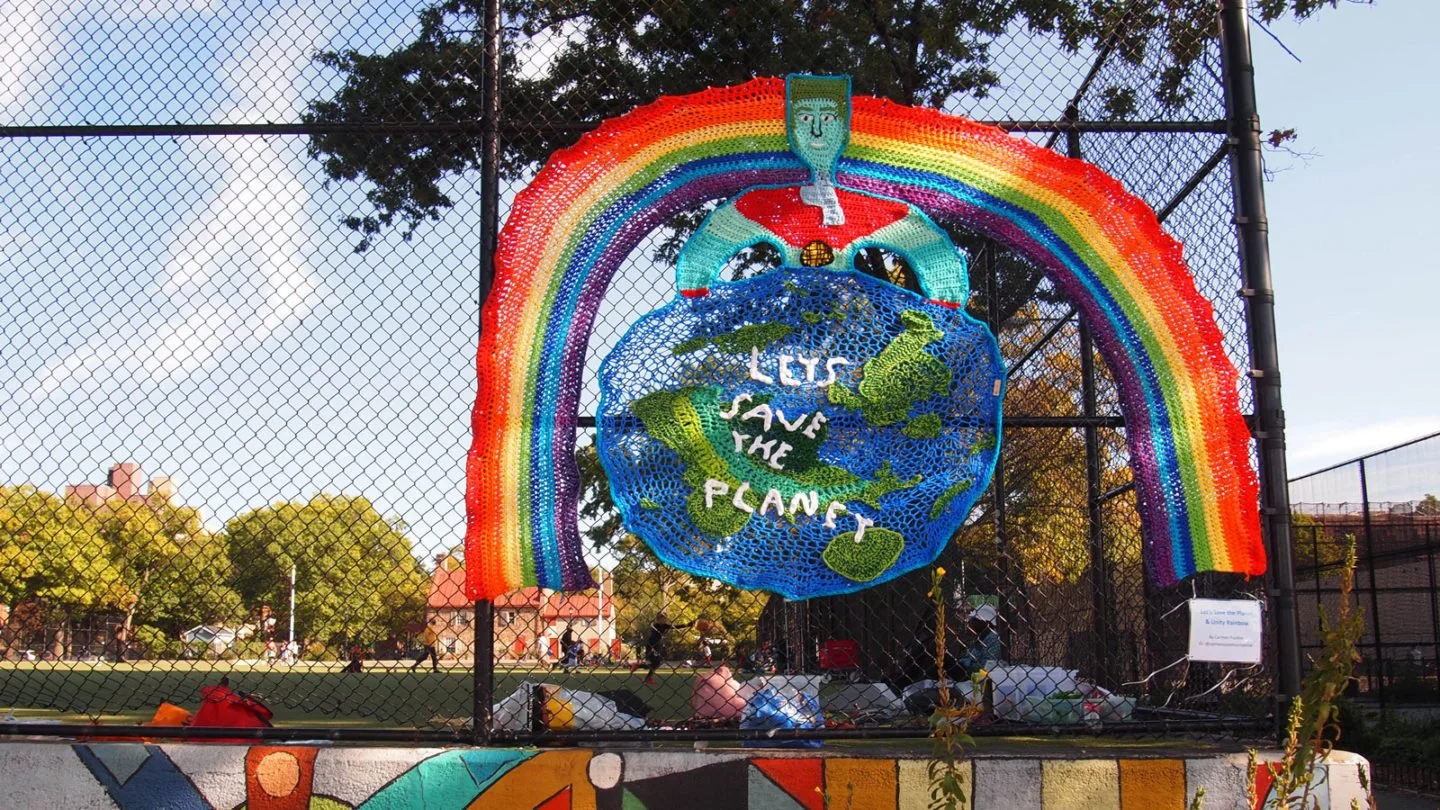
Fence Art (Source: NY City News Service)
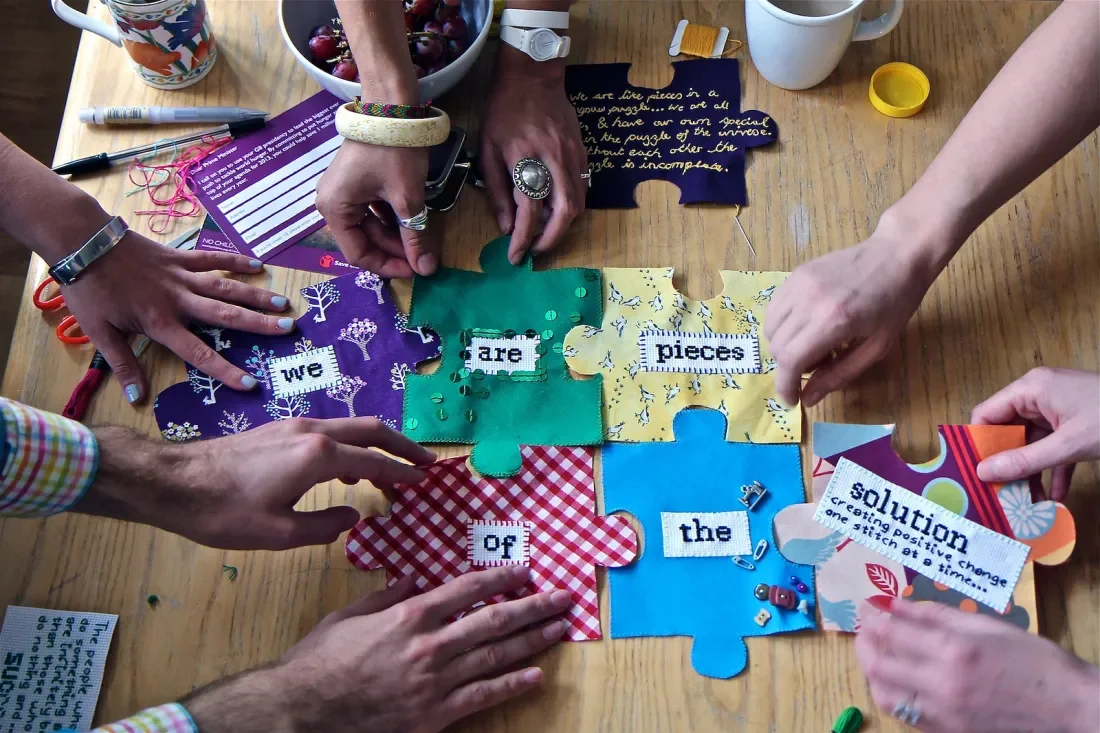
Stitching Puzzle Pieces (Source: Craftivist Collective)
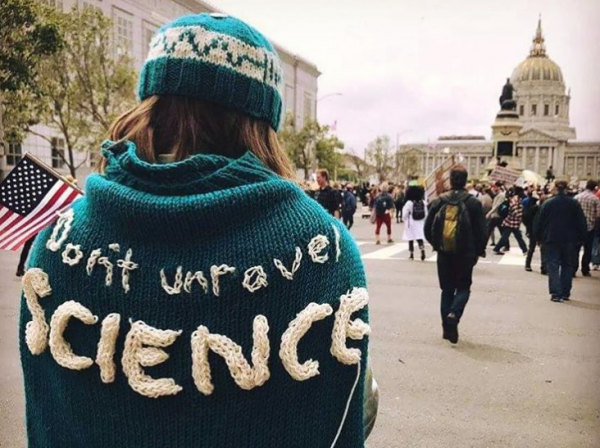
Fashion Knitting/Crocheting (Source: PBS)
-
One of the most important parts of craftivism is finding a message that speaks to our neighbors – not at them.
To shape culture toward kindness, justice, and abundance, our messages need to reflect that same energy. We shouldn’t be aiming to shame, guilt, or yell at passersby who see our work: instead, let’s create messages that draw them in, make them think, and inspire action.
Sarah Corbett, founder of The Craftivist Collective, has spent years thinking about what makes this kind of work land. One of her core insights:
“Start from the response we hope viewers will have and then work out how to achieve that through our message.”
In education, we call that “backwards design.” Here are some other things to keep in mind, from Sarah:
“Creating effective messages is demanding. It may be easier to come up with negative messages, but positive ones are more likely to encourage change in the viewers.”
“Don’t pick messages that your audience may have heard so many times that the words no longer intrigue them.”
“Let’s be honest, who wants to be told what to do? No one…If your message is a statement at the viewer it does not require a response. It will be less memorable for people because it does not encourage interaction, thought or action. Remember that craftivism is always about action.”
-